Thoughts on mobile architecture, Swift, Kotlin and engineering leadership — from Medium and LinkedIn.
In-depth articles and tutorials.
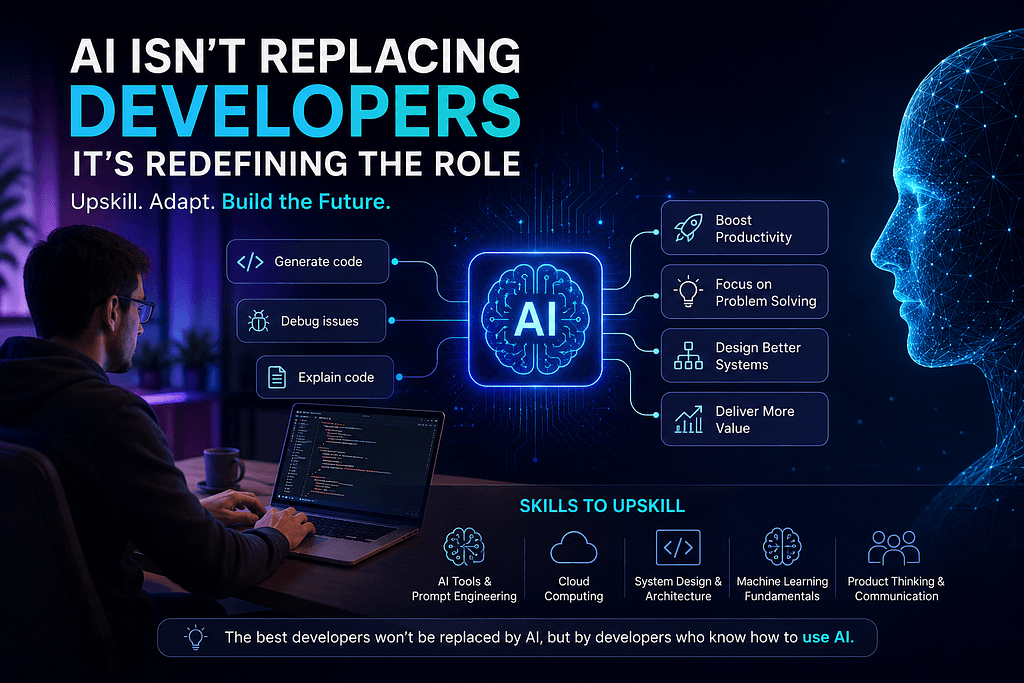
Over the past two years, Artificial Intelligence has become one of the most discussed topics in the technology industry. Tools like ChatGPT, GitHub Copilot, Claude, Cursor, and various AI-powered coding assistants h…
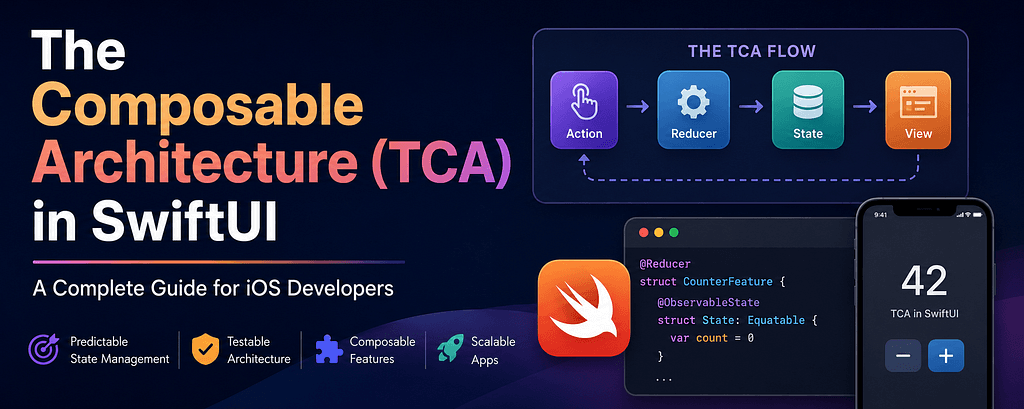
As iOS applications grow, managing navigation and maintaining clean code become increasingly challenging. While MVVM (Model-View-ViewModel) helps separate business logic from the UI layer, navigation responsibilities o…
Bite-sized insights and tips shared with my network.
Most SwiftUI developers know about VStack, HStack and Grid — but very few use AnyLayout, one of the most elegant APIs for building adaptive, responsive UIs. Instead of maintaining separate layouts for different screen sizes and states, AnyLayout lets you switch layouts dynamically while preserving view identity, animations and state.
The best SwiftUI components are the ones you write once and reuse everywhere — that’s the real power of Generics in Swift: reusable code, better scalability, strong type safety and cleaner architecture. But balance matters; overusing generics makes code harder to debug. My rule: use generics to simplify code, not to show complexity. Clean architecture always wins.
MVVMC helps separate UI, business logic, navigation and user flow — resulting in cleaner code, scalable apps and easier maintenance. Here’s a visual example of MVVMC in a SwiftUI Todo App.
Excited to announce the launch of Expensio — my new Android Expense Tracker app, now live on the Google Play Store! Managing daily expenses should be simple, smart and stress-free. Built with passion, learning and late nights to solve a real everyday problem — track spending, manage budgets and stay financially organized with ease.